
First patient in Texas receives new treatment for metastatic uveal melanoma at UT Southwestern

Uveal melanoma is a rare cancer that develops in ocular cells that create melanin. It accounts for about 5% of U.S. melanoma cases. About 50% of patients with uveal melanoma are at risk for metastatic disease, sometimes years after successful treatment of the primary eye tumor. Tumors spread to the liver in up to 90% of metastatic uveal melanoma cases.
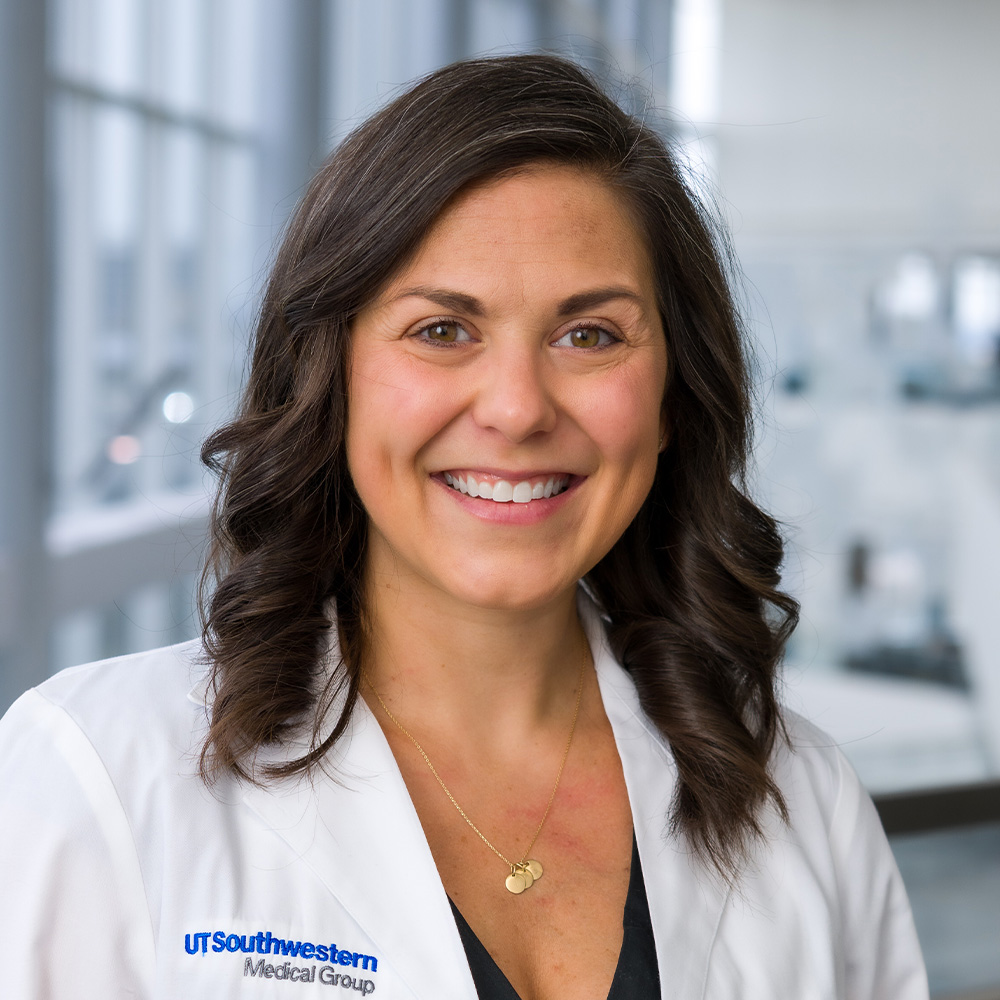
Adrienne Shannon, M.D., is Assistant Professor of Surgery and a surgical oncologist at UT Southwestern.
Historically, management of these cancers focused on symptom control through systemic therapies. In January 2026, Harold C. Simmons Comprehensive Cancer Center at UT Southwestern Medical Center became the first institution in Texas and neighboring states to offer Hepzato KitTM – a more precise, whole-liver treatment system that is shown to shrink metastatic uveal melanoma tumors in the liver for more targeted disease control and potential survival benefits.
Developed by Delcath Systems Inc. and available at fewer than three dozen medical centers nationwide, Hepzato Kit is approved by the Food and Drug Administration and designed to deliver high-dose chemotherapy via percutaneous hepatic perfusion. Hepzato Kit is available on a selective basis under a risk evaluation and mitigation strategy.
Adrienne Shannon, M.D., Assistant Professor of Surgery and a surgical oncologist at UT Southwestern, led the first-in-Texas procedure for a 72-year-old patient with multifocal hepatic tumors. To deliver the therapy, Dr. Shannon worked with a highly trained team of UT Southwestern staff and fellow faculty members, including interventional radiologists led by Sanjeeva Kalva, M.D., Patrick Sutphin, M.D., Ph.D., and Seung Kim, M.D., M.B.A., anesthesiologists led by Steven Zheng, M.D., and perfusionists.
“This approach will improve our patient’s progression-free survival, and it is a far more effective option for him than other liver-directed methods that only treat one segment of the liver at a time,” Dr. Shannon said.
The two-year survival rate for liver-involved metastatic uveal melanoma is less than 50%, even for patients who received prior immunotherapies or localized liver treatments. This novel treatment has been shown to reduce toxicity and extend and enhance quality of life for eligible patients.
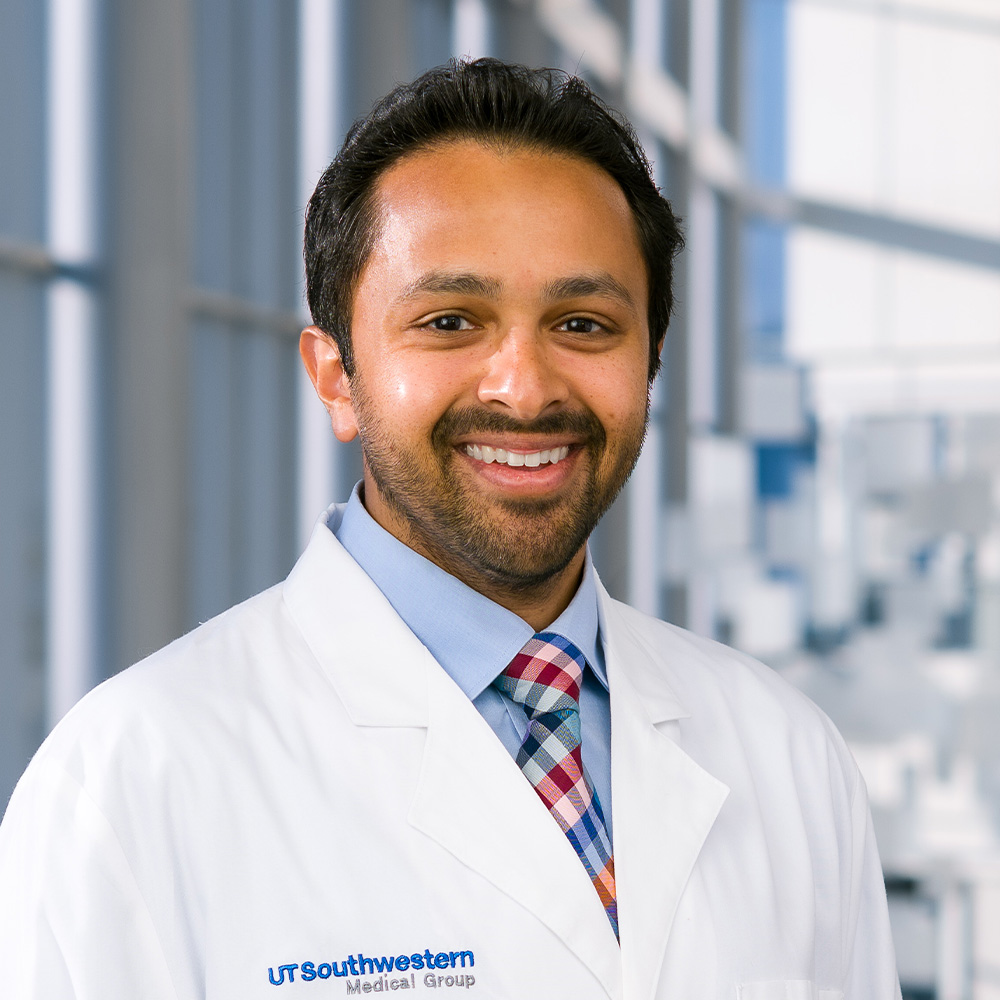
Sanjay Chandrasekaran, M.D., is Assistant Professor of Internal Medicine in the Division of Hematology and Oncology and the physician lead for the Multi-Histology and Precision Oncology Program (MPOP) Disease Oriented Team in the Harold C. Simmons Comprehensive Cancer Center. He is a Eugene P. Frenkel, M.D. Scholar in Clinical Medicine.
“This is a revolutionary treatment because it allows us to deliver a high dose of melphalan to the liver without directly affecting the healthy liver cells,” said Sanjay Chandrasekaran, M.D., Assistant Professor of Internal Medicine in the Division of Hematology and Oncology at UTSW and a member of the Harold C. Simmons Comprehensive Cancer Center. He is the physician lead for the Multi-Disease and Precision Oncology Program within the Simmons Cancer Center.
Precise, whole-organ treatment
While other approved therapies such as tebentafusp (KIMMTRAK®) provide survival benefits, they generally do not result in significant tumor shrinkage. Such options often are HLA-restricted, making them unavailable to 50%-60% of the patient population. In contrast,
Hepzato Kit's approval was based on its objective response rate and its ability to achieve disease control. Unlike embolization or ablative techniques that target individual lesions or liver segments, this system delivers high-dose melphalan to the entire hepatic parenchyma.
The procedure relies on temporary vascular isolation of the liver using a double-balloon catheter system placed in the inferior vena cava, combined with extracorporeal filtration to limit systemic exposure. Melphalan, a chemotherapy drug that targets tumor cells by binding to and crosslinking DNA strands and halting their replication, is infused directly into the liver’s main artery for 30 minutes. The bypass system captures the blood leaving the liver and passes it through extracorporeal carbon filters to remove the drug before it re-enters systemic circulation.
Hepzato Kit produces coagulopathy and hemodynamic changes, making careful patient selection essential. Ideal candidates typically have preserved liver function, good performance status, and liver involvement below approximately 50% of total hepatic volume.
After each treatment session, the patient is typically?monitored?for?up to?24 hours for potential complications, such as?bleeding risks or low blood counts.?Most?patients can resume their normal activities within?48 hours.?The therapy can be repeated up to six times every six to eight weeks.?
Clinical evidence for early adoption
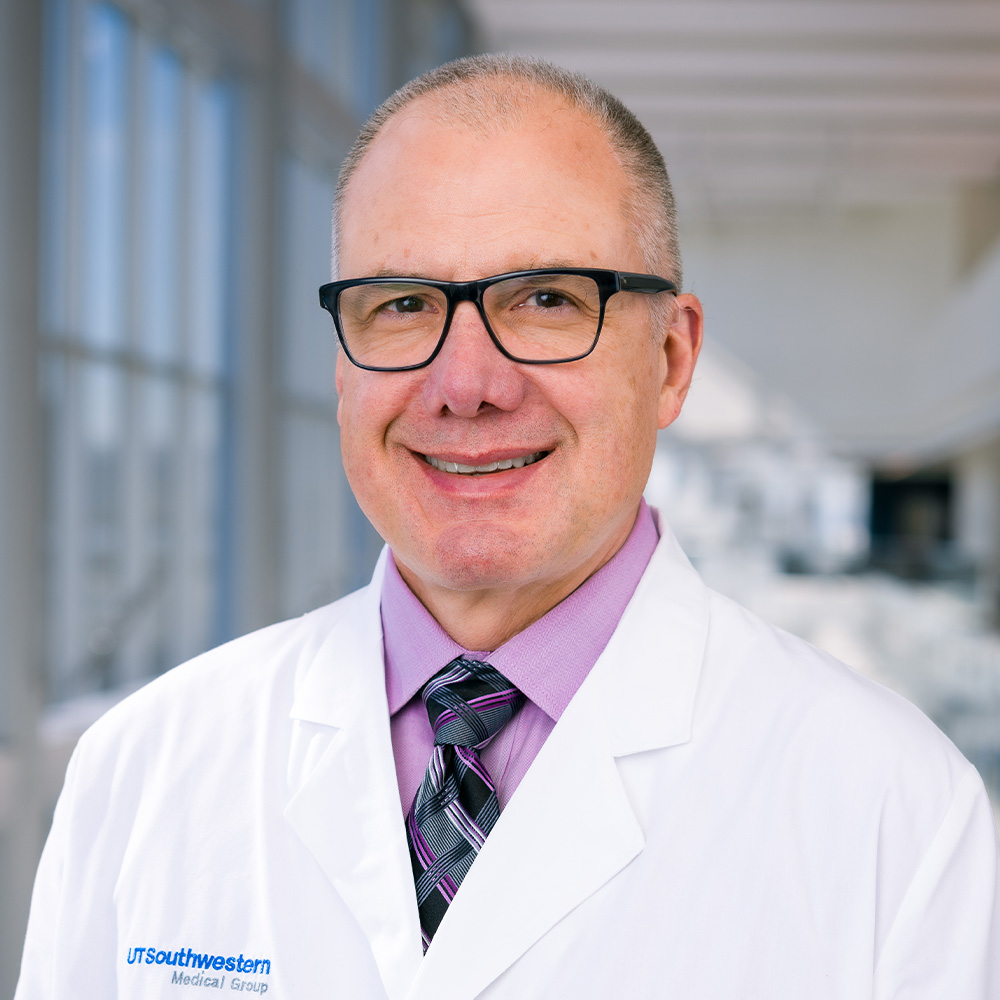
J. William Harbour, M.D., is Chair and Professor of Ophthalmology and a member of the Cellular Networks in Cancer Research Program of the Harold C. Simmons Comprehensive Cancer Center. He holds the David Bruton, Jr. Chair in Ophthalmology.
A multicenter Phase 3 study (the FOCUS trial) included 91 individuals who received Hepzato. It showed that 36.3% of patients experienced shrinkage of their tumors, including 7.7% who experienced a complete response or disappearance of lesions. The majority of tumor responses were seen after the first two cycles. The FOCUS trial also found an overall survival rate of 80% after one year, and 65% of patients were progression-free at six months.
Many of the prognostic tools now used as the national standard of care for ocular melanoma were developed by J. William Harbour, M.D., Chair and Professor of the Department of Ophthalmology at UT Southwestern and a Simmons Cancer Center member. His work is now part of the National Comprehensive Cancer Network guidelines for prognostication and risk stratification for this cancer.
UT Southwestern’s adoption of Hepzato Kit reflects a broader institutional investment in ocular oncology and translational research.
“This achievement exemplifies the strength of UT Southwestern as a premier institution for interdisciplinary patient care, discovery-driven research, and the development of breakthrough therapies,” Dr. Harbour said. “It’s an exciting moment for our expanding ocular oncology program as we rapidly establish UT Southwestern as a national destination for patients with eye cancers.”
Simmons Cancer Center is actively exploring the role of hepatic perfusion in other malignancies, including breast and colorectal cancers with liver-dominant metastases.
More Information and Referrals
Non-urgent inquiries related to uveal melanoma at UT Southwestern can be directed to UvealMelanoma@utsouthwestern.edu
Phone: 214-645-4673
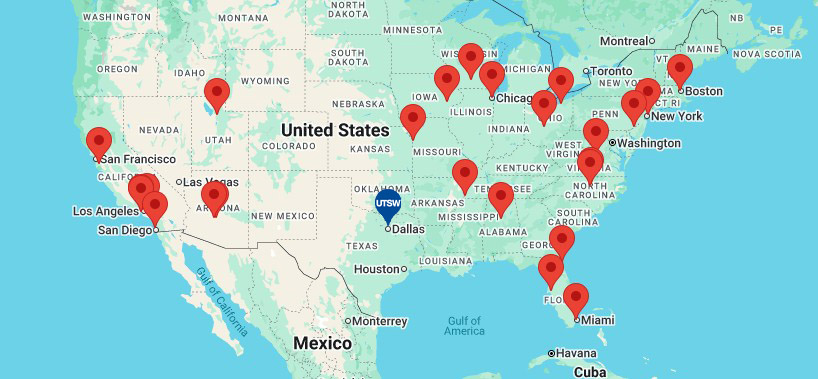
Hepzato is currently only available at select medical centers across the country under a risk evaluation and mitigation strategy (REMS). UT Southwestern is the first to offer this treatment in Texas and the surrounding region.